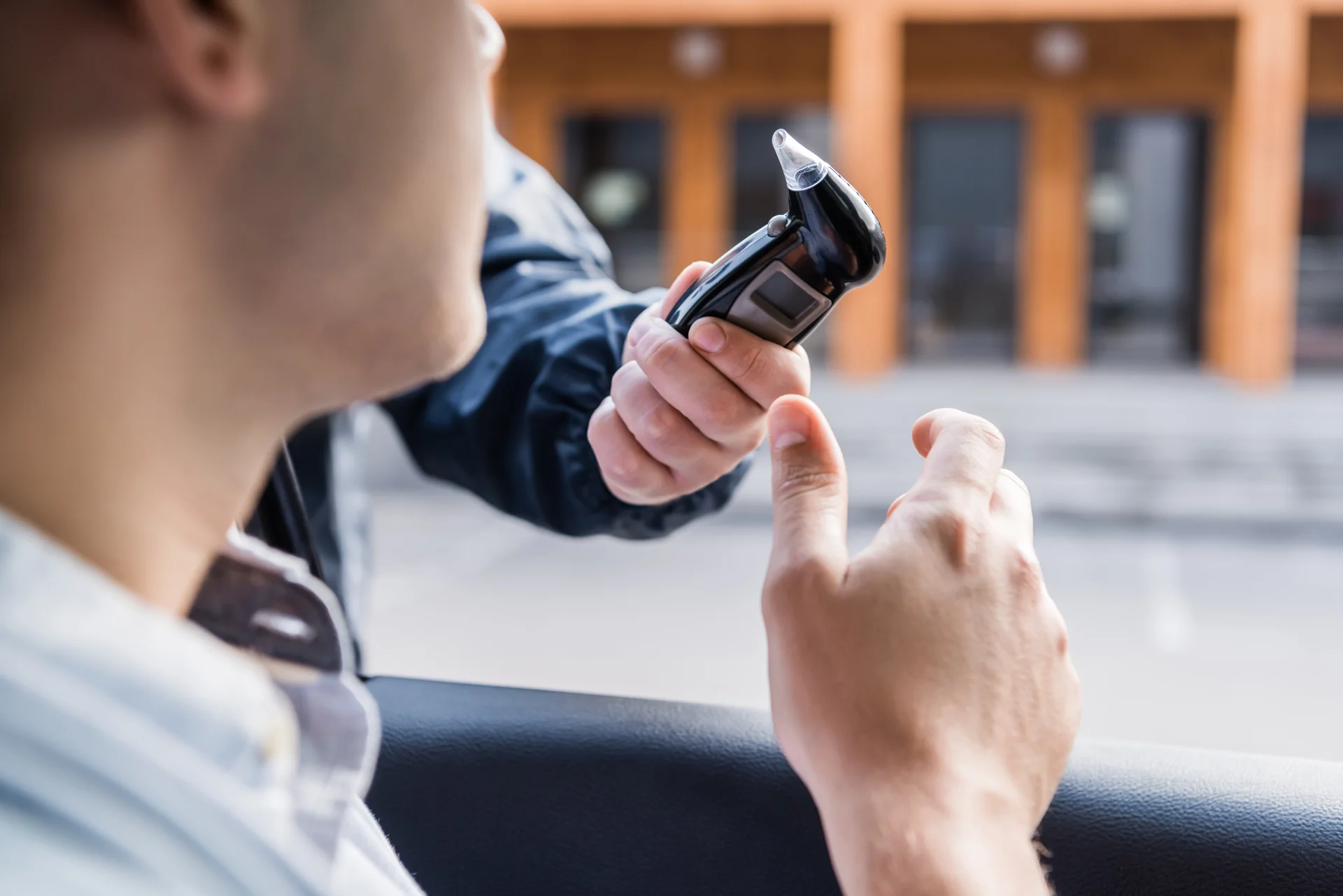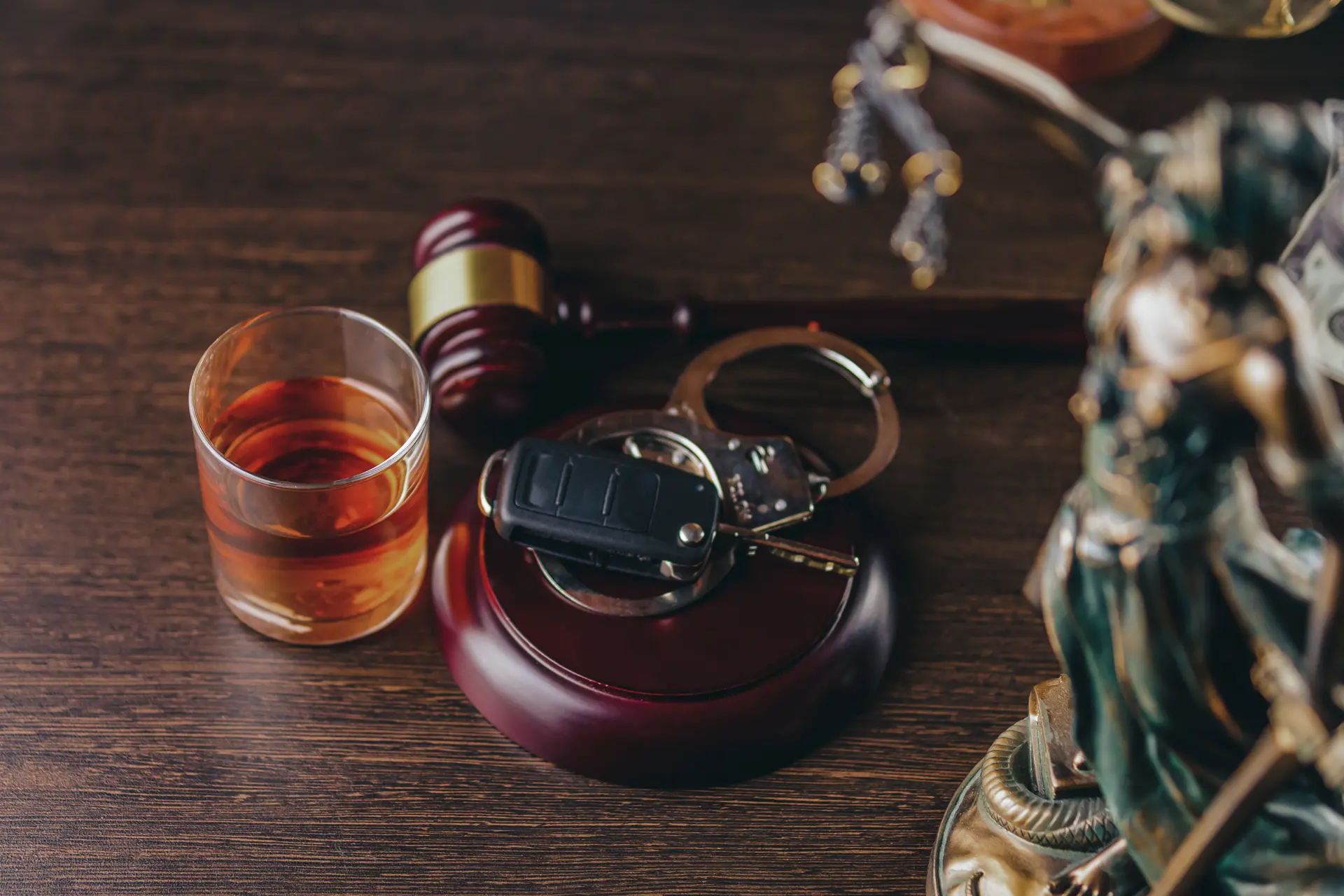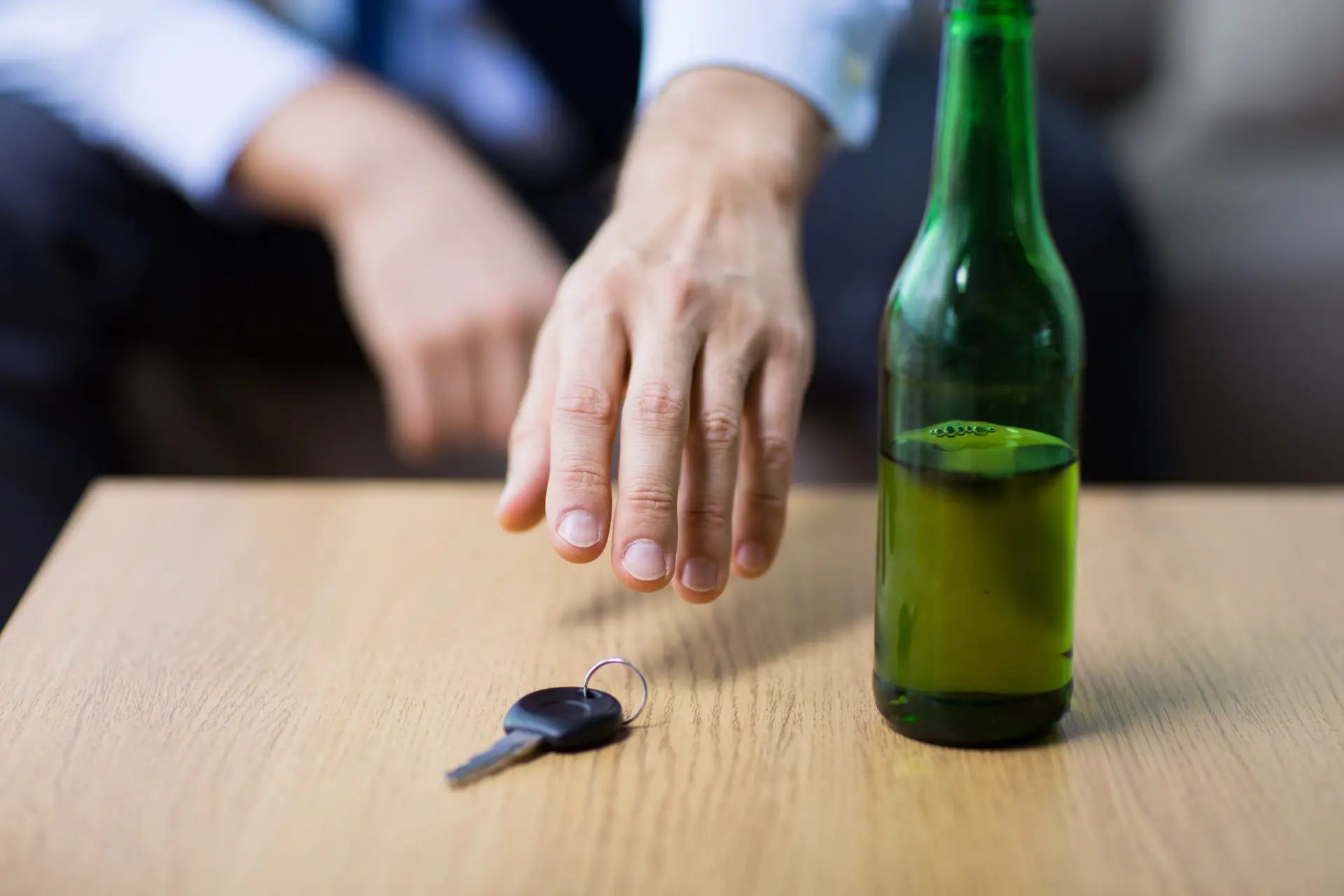
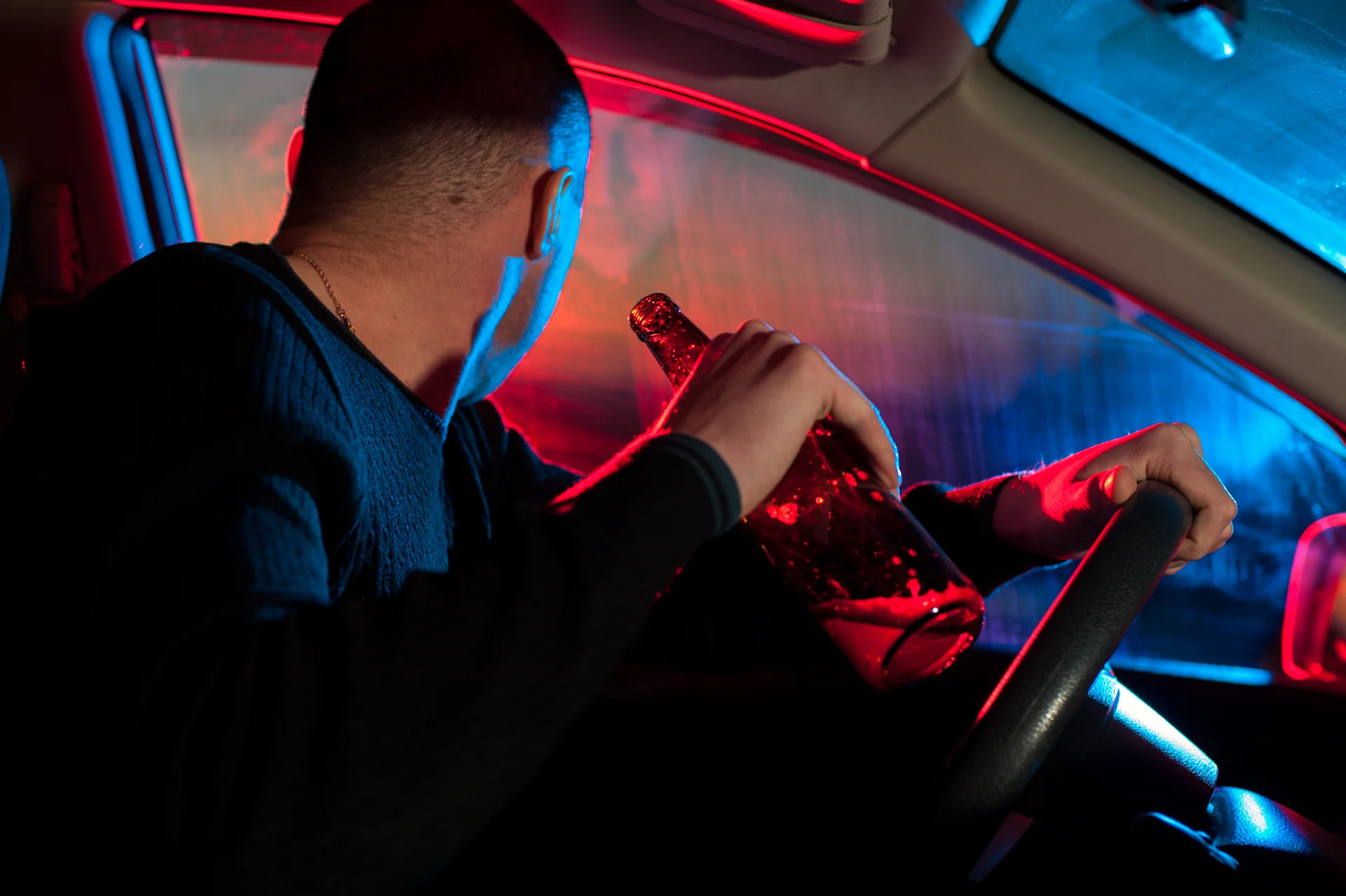
Drunk driving is a serious criminal offense in Texas. The misdemeanor version can be punished as a Class B or Class A misdemeanor depending on several factors. The maximum punishment for a Class B misdemeanor is 180 days and a fine of $2,000 and the maximum punishment for a Class A misdemeanor is 1 year and a fine of $4,000.
At the conclusion of the guilty or not guilty phase of a jury trial, the presiding judge is responsible for instructing the jury on the applicable law in a document called the Jury Charge. Texas law is clear that the jury charge must correctly state the law. If the jury charge is materially incorrect in places, a conviction might be void.
One potential place for error in a Driving While Intoxicated trial is the jury charge definition of intoxication. Texas law defines intoxication for DWI as having an alcohol concentration of 0.08 or more or not having the normal use of mental or physical faculties by reason of the introduction of alcohol, a controlled substance, a drug, a dangerous drug, a combination of two or more of those substances, or any other substance into the body.
What happens in a Driving While Intoxicated case when the only evidence of intoxication is alcohol, but the jury charge erroneously includes the full definition of intoxication?
Texas law is clear that a trial court must submit to a jury only portions of the statutory definition of intoxication that are supported by evidence. To do otherwise is error. See Burnett v. State, 541 S.W.3d 77 (Tex. Crim. App. 2017)
In a trial in which the only evidence of intoxication is alcohol, it is error for the jury charge to include intoxication by controlled substance, drug, dangerous drug, or other substance in the definition of intoxication.
Including extraneous terms in the definition of intoxication causses egregious harm and is grounds for reversal on appeal.