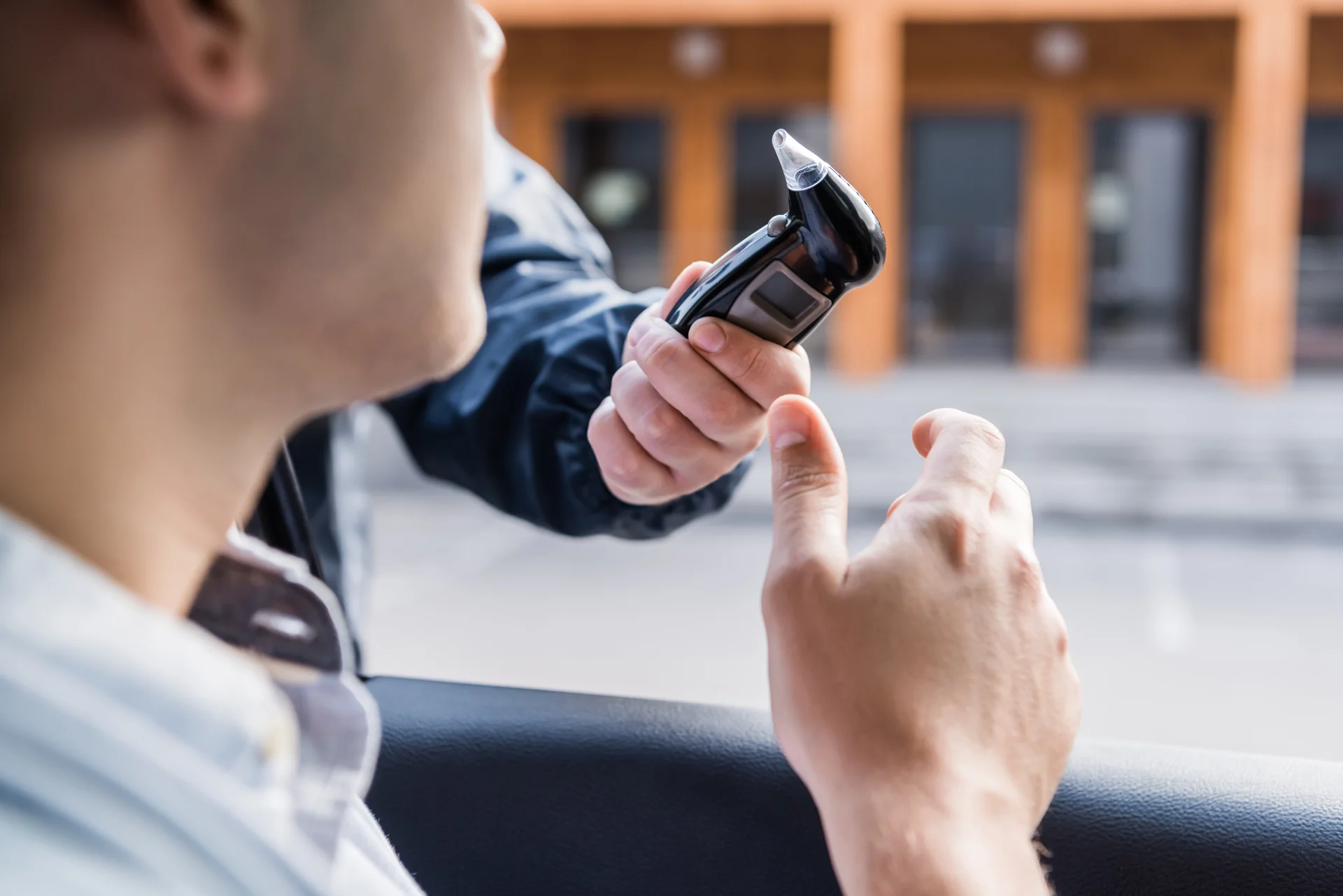


The holidays are coming to an end, and, unfortunately, that tie or purse isn’t the only gift you received this year. Someway, somehow, you’ve managed to receive your first-ever DWI in Austin, Texas. You may be asking yourself: What happens next? What kind of penalties am I facing? How can I defend against this charge?
Our team of Austin DWI attorneys has decades of combined legal experience and the skills necessary to guide you through your first-ever DWI. We’ll break down what type of offense a first-time DWI is, what potential penalties you may be facing, and common defenses to expect.
What Is a First-Time DWI in Texas?
The offense of Driving While Intoxicated (DWI) is governed by Texas Penal Code § 49.04. If you are facing your first-time DWI in Austin, Texas, this is likely the statute you have been charged under. Essentially, the offense of DWI boils down to three components:
(1) A person is intoxicated;
(2) While operating a motor vehicle, and
(3) They are operating that motor vehicle in a public place.
Under the statute, there are multiple ways that one may be “intoxicated” for purposes of a DWI. The most common means of intoxication is having an alcohol concentration of 0.08 or more. This is what people often refer to as “blowing over the legal limit.” However, this alcohol concentration can be obtained through either a breath or a blood specimen.
The DWI statute also provides another means by which one can be intoxicated. This occurs when an individual does not have the normal use of their mental or physical faculties by reason of the introduction of alcohol, a controlled substance, a drug, a dangerous drug, a combination of two or more of those substances, or any other substance into the body. Although this definition of intoxication is not well known, it is much broader and can be used even when there is an absence of an alcohol concentration of 0.08 or more.
I’ve Been Charged With My First DWI — What Are the Potential Penalties?
Typically, for a first-time DWI charged under Texas Penal Code § 49.04, a defendant is looking at a Class B misdemeanor with a minimum term of confinement of 72 hours.
You may be asking yourself: What is a Class B misdemeanor? Under Texas law, a Class B misdemeanor is punishable by either:
(1) A fine not to exceed $2,000;
(2) Confinement in jail for a term not to exceed 180 days; or
(3) A combination of such a fine and confinement.
For more information regarding misdemeanors and felonies in Texas, click here.
Is There a Chance I Can Be Facing More Than a Class B Misdemeanor?
Typically, for a first-time DWI in Austin, a person will be facing a Class B misdemeanor as illustrated above. However, there are certain circumstances in which a driver may be facing a different minimum term of confinement under a Class B misdemeanor or a higher-level Class A misdemeanor.
For example, if it is shown that at the time of the offense the person operating a motor vehicle had an open container of alcohol in their immediate possession, the offense is a Class B misdemeanor with a minimum term of confinement of six (6) days. This is different from the normal 72 hours of minimum confinement required under the DWI statute.
Additionally, if it is shown that an analysis of a specimen of the person’s blood, breath, or urine revealed an alcohol concentration level of 0.15 or more, the offense is a Class A misdemeanor. Under Texas law, a Class A misdemeanor is punishable by either:
(1) A fine not to exceed $4,000;
(2) Confinement in jail for a term not to exceed one year; or
(3) A combination of such a fine and confinement.
For an exhaustive list of the potential penalties associated with a DWI, click here.
Defending Your First-Time DWI
An experienced Austin DWI attorney can help guide you through your first DWI offense by providing valuable insight and crafting defenses specific to your case. There are a handful of defenses you can expect during the pendency of your DWI:
- Challenging the initial stop of your vehicle — Sometimes, the basis for stopping your vehicle in the first place may be challenged. This can occur when the officer did not observe any traffic offenses or no reasonable suspicion existed to initiate a traffic stop. If a legal basis exists, a motion to suppress can be filed as a result of the unlawful detention, and any evidence obtained after the traffic stop relating to your DWI may be excluded.
- Scrutinizing standardized field sobriety tests — During a DWI investigation, officers will typically request that the driver participate in standardized field sobriety tests. These tests are governed by the National Highway Traffic Safety Administration (NHTSA), and officers must be certified to administer such tests. If these tests are not conducted according to NHTSA standards, or the officer is not properly certified to administer them, the validity of the test results can be called into question and potentially excluded from evidence.
- Suppressing any incriminating statements made in the absence of Miranda warnings — The landmark case of Miranda v. Arizona established the requirement under the Fifth Amendment that an individual be apprised of their rights prior to any questioning by officers. For Miranda purposes, both “custody” and “interrogation” must be present for Miranda to apply. If these two requirements are met, and your attorney believes a legal basis exists, a motion to suppress may be filed in an attempt to exclude any incriminating statements made during your DWI investigation.
- Looking into documented deficiencies with the equipment used to analyze your blood alcohol concentration — During your DWI investigation, your blood alcohol concentration may be determined through the collection of a blood or breath specimen. Sometimes, the equipment used to analyze these specimens may have a documented history of malfunctions or misuse by their operators. Any such documentation may be obtained by your attorney and, if evidence exists that tends to call into question the reliability of the results, used to suppress those results.