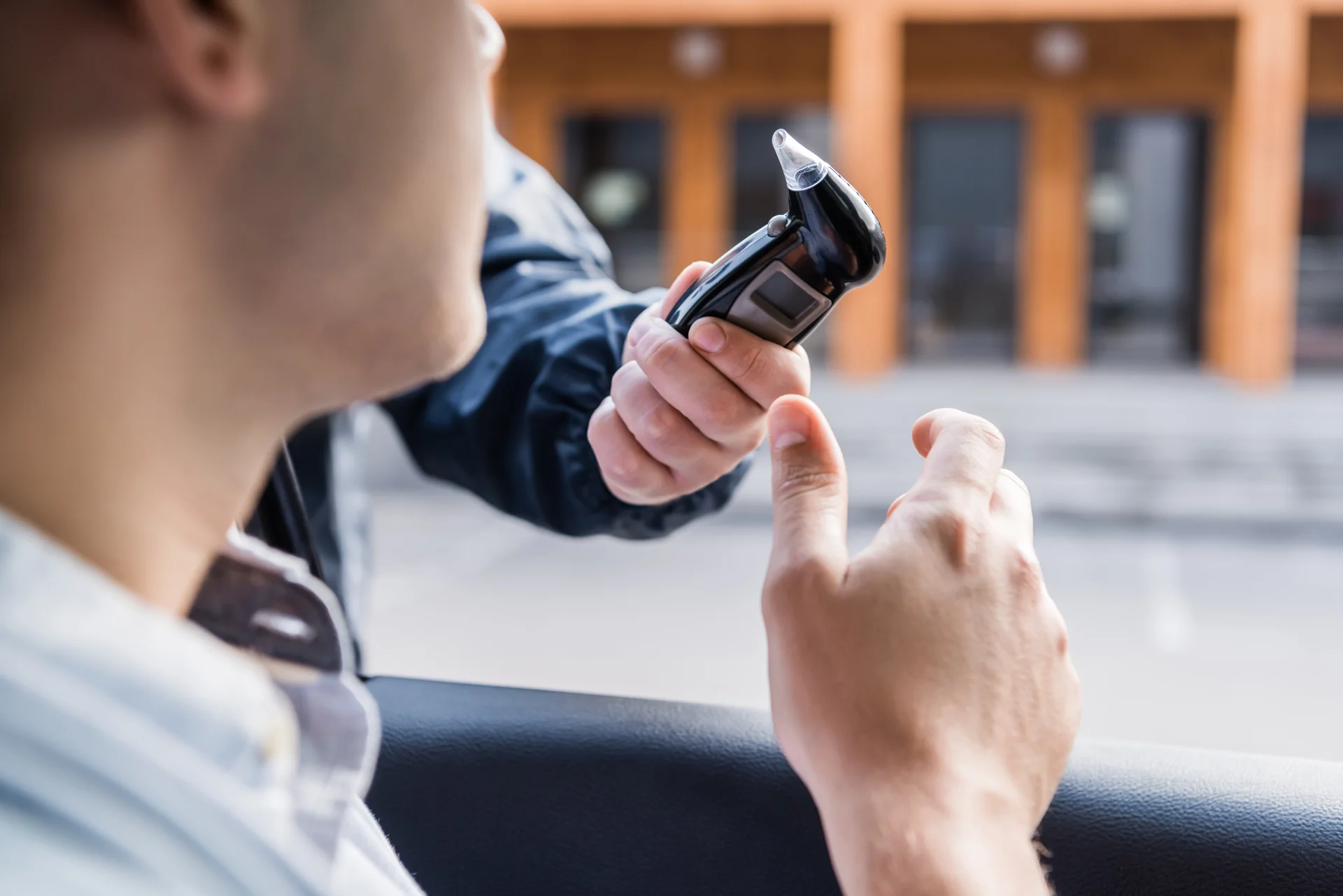
Being arrested for Driving While Intoxicated (DWI) can be stressful enough. The flashing lights, handcuffs, and performing standardized field sobriety tests—the last thing you are thinking about is the consequences of answering a single question: “Will you provide a breath or blood sample?” Many Texas drivers are unsure of their rights in this situation or may not know the consequences associated with refusing such a request.
Texas relies on a system commonly referred to as implied consent, which means there can be consequences whether a person agrees to testing or refuses. Having an understanding of your rights and these consequences can help you make an informed decision if you find yourself facing a DWI.
What Does Texas Law Require
Texas operates under what is commonly referred to as implied consent. Under Texas Transportation Code § 724.011, a person who operates a motor vehicle in a public place while intoxicated is deemed to have consented to submit to the taking of one or more specimens of the person's breath or blood for analysis to determine the alcohol concentration or the presence in the person's body of a controlled substance, drug, dangerous drug, or other substance.
Before officers make such a request, they are required to read certain statutory warnings to a driver. These are commonly contained in a form called the DIC-24 statutory warnings. The requirement that these warnings be read to a driver is contained in Texas Transportation Code § 724.015. These warnings include:
• Refusing to provide a specimen can result in the suspension of one’s driver’s license.
• Providing a specimen of blood or breath that results in an alcohol concentration of 0.08 or higher may also result in a license suspension.
• Refusing to submit to the taking of a specimen may be admissible in a subsequent criminal prosecution.
It is crucial to understand these warnings when making the determination of whether to provide a breath or blood sample.
I Refused, Now What Happens?
If a driver refuses to provide a breath or blood sample after being read these statutory warnings, such a refusal can trigger an Administrative License Revocation proceeding. Under Texas Transportation Code § 724.035, the Department of Public Safety shall suspend the driver’s license of a person who refuses the taking of a specimen after being arrested and properly read the DIC statutory warnings.
Generally, a suspension for refusing to consent to the taking of a breath or blood specimen is for a period of 180 days. However, this period can be extended to two yearsif the driver has prior alcohol-related enforcement contacts within the past ten years.
ALR Suspensions and Requests for Hearing
If a person is provided notice of such a license suspension for failing to consent to the collection of a specimen, they are entitled to a hearing to contest the suspension. However, the written demand for a hearing must be sent to DPS not later than the 15th day after the date on which the person receives the notice of suspension or denial, or on which the person is considered to have received the notice by mail as provided by law.
During an Administrative License Revocation Hearing (ALR), an administrative law judge will consider several statutory issues outlined in Texas Transportation Code § 724.042. These include whether:
(1) reasonable suspicion or probable cause existed to stop or arrest the person;
(2) probable cause existed to believe that the person was:
(A) operating a motor vehicle in a public place while intoxicated; or
(B) operating a watercraft powered with an engine having a manufacturer's rating of 50 horsepower or above while intoxicated;
(3) the person was placed under arrest by the officer and was requested to submit to the taking of a specimen; and
(4) the person refused to submit to the taking of a specimen on request of the officer.
If these elements are satisfied, the suspension will be upheld by the administrative law judge. If they are not, the suspension may be set aside. These hearings are governed by the State Office of Administrative Hearings (SOAH), and the burden of proof is a preponderance of the evidence.
Having an experienced Austin DWI attorney to represent you in these hearings is crucial to ensuring the proper officers are subpoenaed, timelines are met, and the proper evidence is admitted.
Why Representation Matters
Whether you decide to consent to the taking of a breath or blood specimen after being arrested for DWI or not, seeking legal representation matters. Having an experienced Austin DWI attorney on your team will help ensure your rights are protected throughout the entire process—especially when requests for hearings are time-sensitive and your license is potentially on the line.
Our team of attorneys understands the nuances and procedures associated with DWIs and any related Administrative License Revocation hearings.