
The prevalence of smartphones and cameras has made it extraordinarily easy for individuals to record any encounter they have with law enforcement. Because of this, we often have a front-row seat to people asking officers, “What is your reasonable suspicion?” or “What is your probable cause?” However, many people often get these two legal standards confused with one another or even believe they mean the same thing.
Both of these legal concepts stem from the Fourth Amendment, which protects people from unreasonable searches and seizures. Generally, reasonable suspicion is the lower of the two standards and is used to justify temporary detentions. In contrast, probable cause is the higher standard that is required for arrests, search warrants, and other searches conducted by law enforcement. Having a firm understanding of these legal standards helps clarify what officers are legally allowed to do in any given situation.
Reasonable Suspicion
Reasonable suspicion is a legal standard that officers must meet prior to detaining an individual. They must have specific and articulable facts to suggest that criminal activity may be occurring. This is a lower standard than probable cause but must be more than a mere hunch.
Much of our jurisprudence concerning reasonable suspicion was established in the landmark United States Supreme Court decision of Terry v. Ohio, 392 U.S. 1, 88 S. Ct. 1868, 20 L. Ed. 2d 889 (1968). In Terry, the Court held that officers can briefly detain an individual if the officer can point to specific and articulable facts that, when taken together with rational inferences from those facts, reasonably warrant such a detention. This is commonly referred to as a “Terry stop.”
Additionally, the Court in Terry recognized that during a lawful detention, an officer may conduct a pat-down or frisk for weapons if the officer has a reasonable belief that the individual is presently armed and dangerous. This is done to ensure officer safety rather than to search for evidence.
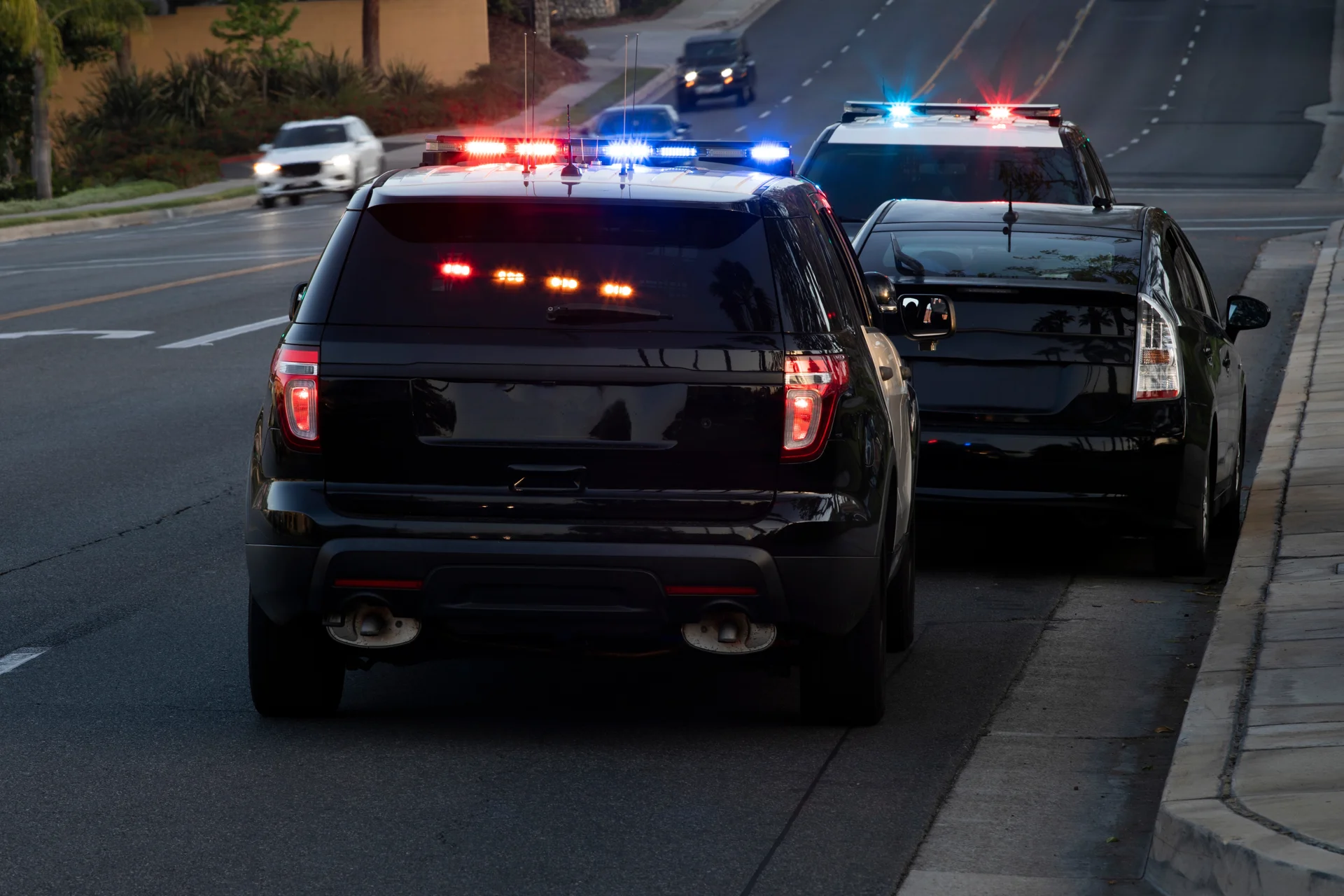
Some of the most common situations where reasonable suspicion arises are: (1) traffic stops; (2) detentions based on matching the description of a suspect; and (3) patting down a subject during a detention.
Probable Cause
Probable cause is a higher legal standard than reasonable suspicion. Probable cause generally requires a reasonable belief, based on all the facts and circumstances known to the officer, that a person has committed a crime or that evidence will be found in a particular place. This is the standard necessary to place someone under arrest, request a warrant for someone’s arrest, or request a search warrant. Because probable cause applies in numerous situations, it is helpful to understand how it functions in arrests and searches.
Arrests
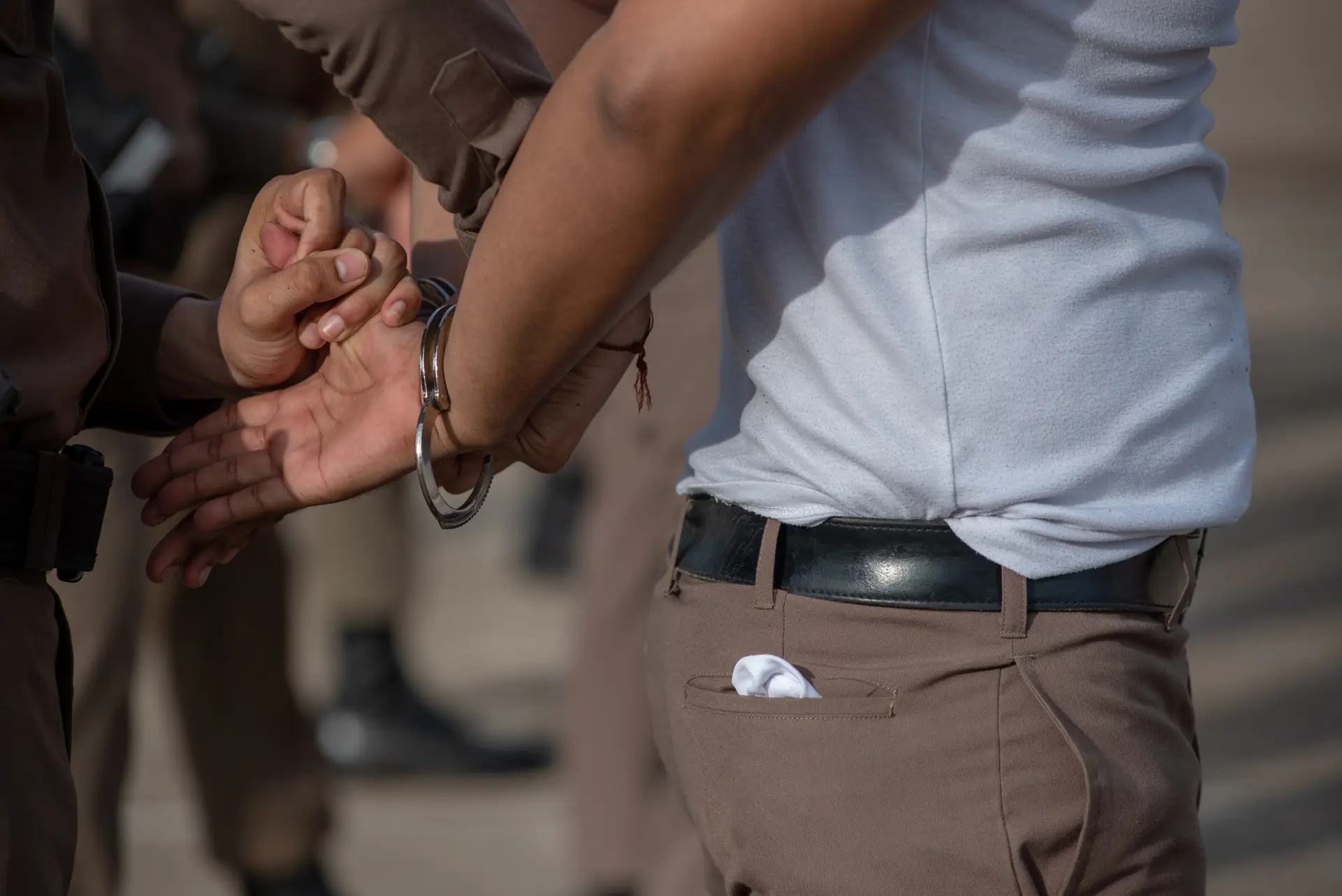
When an officer is going to make an arrest, they must generally have probable cause to believe that the individual committed an offense. Under Texas Code of Criminal Procedure Article 14.01(b), an officer may arrest an individual without a warrant for any offense committed in his presence or in his view. In other circumstances, officers can seek an arrest warrant from a judge when they believe probable cause exists that an offense has occurred.
In reality, probable cause for an arrest can be based on personal observations of criminal activity, statements provided by witnesses or victims, physical evidence, or admissions from a suspect. When probable cause exists, officers may formally place an individual under arrest.
Searches
Probable cause is also required for an officer to conduct a search. The Fourth Amendment protects individuals from unreasonable searches and seizures, generally requiring a search warrant prior to searching a person’s home, vehicle, or property unless a recognized exception applies.
To obtain a search warrant, officers must present a sworn affidavit to a magistrate. This affidavit must establish that probable cause exists to believe that specifically identified evidence will be found in a specific location to be searched. If probable cause exists, a warrant will be issued.
While exceptions to the warrant requirement exist, probable cause is still a governing principle of when an officer may conduct a search. These exceptions can include searches incident to arrest, odor-of-marijuana-based probable cause searches, and the motor vehicle exception for vehicles. Because of the legal standards necessary to conduct both warrant-based and warrantless searches, it is crucial to have an experienced Austin attorney evaluate your criminal matter to ensure your Fourth Amendment rights haven’t been violated.
Why Is This Important?
Although they are often used interchangeably, reasonable suspicion and probable cause are two very different legal standards that serve very different roles during a criminal case. Reasonable suspicion is used for detentions and frisks, while probable cause is used for arrests and searches.
Knowing these distinctions is important to understanding the limits of police authority during encounters with the public. When these legal standards are not met, questions as to the validity of traffic stops, arrests, and searches can arise under the Fourth Amendment. With such nuanced and complex legal standards and their far-reaching implications in your criminal matter, it is vital that you obtain the assistance of an experienced Austin criminal defense attorney to navigate these issues.