

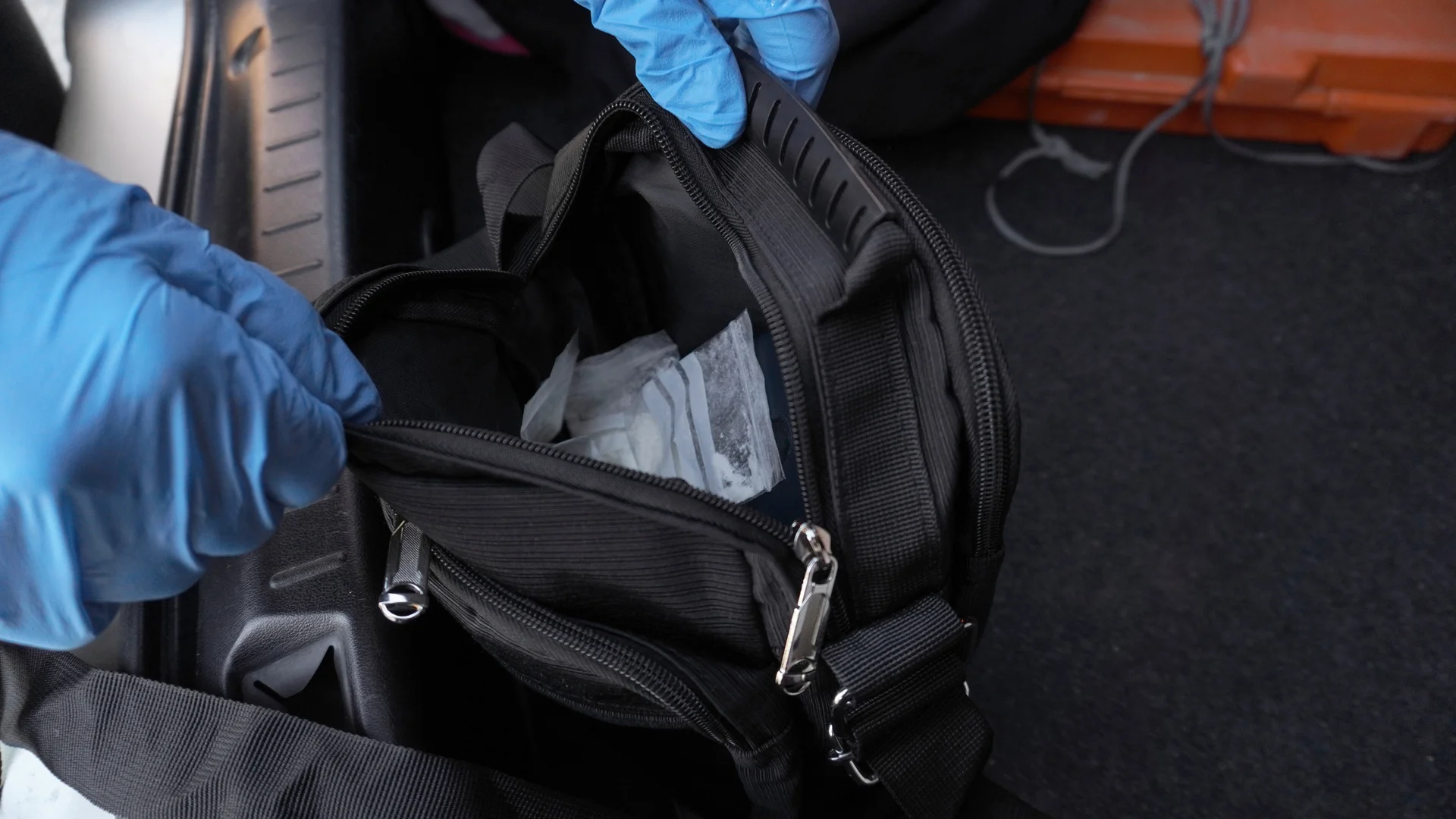
Drug-related charges in Texas can vary widely depending on the type of substance involved and the amount in possession or distribution. Understanding these distinctions is essential for anyone facing drug-related legal issues, as the consequences can range from fines to lengthy prison sentences. A clear understanding of the law helps individuals make informed decisions and protects their rights throughout the legal process.
Classifying Drug Charges in Texas
In Texas, drug charges are classified based on the type of controlled substance and the amount involved. The state differentiates between marijuana, cocaine, methamphetamine, heroin, prescription medications, and other controlled substances. Each classification carries its own legal implications, penalties, and potential defenses.
1. Marijuana Offenses
Marijuana possession is treated differently than other controlled substances in Texas. Possession of small amounts, such as two ounces or less, is typically considered a Class B misdemeanor. Larger amounts, however, can lead to felony charges. For example, possessing more than four ounces may result in third-degree felony charges, which carry more severe penalties. The law also treats distribution or intent to sell marijuana as a more serious offense, often classified as a felony regardless of the amount.
2. Cocaine, Methamphetamine, and Heroin
Controlled substances such as cocaine, methamphetamine, and heroin are classified as dangerous drugs under Texas law. Possession of even a small amount of these substances can result in felony charges. The severity of the charge usually increases with the quantity of the drug, with larger amounts potentially leading to first-degree felony charges. Distribution or manufacturing charges carry even harsher penalties, emphasizing the importance of legal guidance for anyone facing such accusations.
3. Prescription Drugs and Other Controlled Substances
Possession or distribution of prescription medications without a valid prescription is also a serious offense in Texas. The law treats these substances similarly to dangerous drugs, and charges depend on the type of drug and amount in possession. Even small amounts of controlled prescription medications can result in criminal charges, highlighting the need for careful legal counsel.
4. Impact of Amount on Penalties
In addition to the type of drug, the amount in possession plays a significant role in determining the severity of charges. Texas law sets specific thresholds that distinguish between misdemeanors and felonies. For example, possessing a small quantity of a drug for personal use may result in a misdemeanor, while larger amounts intended for distribution can lead to significant prison sentences and fines. These distinctions underscore the importance of understanding the details of each case and consulting with an experienced lawyer.
Moving Forward After a Drug Charge
Drug charges in Texas can carry serious consequences, including jail time, fines, and a permanent criminal record. However, not all cases are the same, and outcomes often depend on the details of the charge and the strength of your defense. An experienced criminal defense lawyer can review your situation, explain your options, and work to minimize the impact on your future.
Austin Drug Crime Lawyer
If you or a loved one is facing drug-related charges, the lawyers at Cofer & Connelly, PLLC can provide guidance and representation tailored to your case. Contact us today at (512) 991-0576 to schedule a consultation and understand your rights and options under Texas law. Taking the right steps early can make a significant difference in the outcome of your case.